Editor's Selection
Highly Rated Recovery Homes
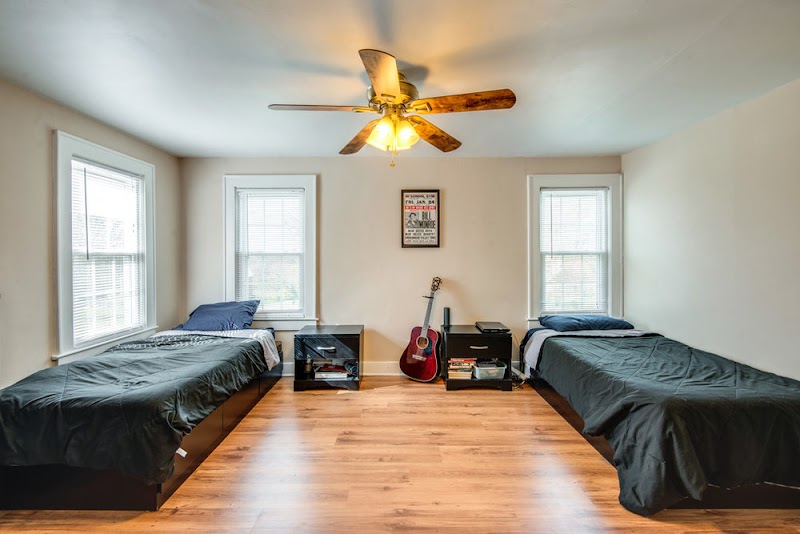
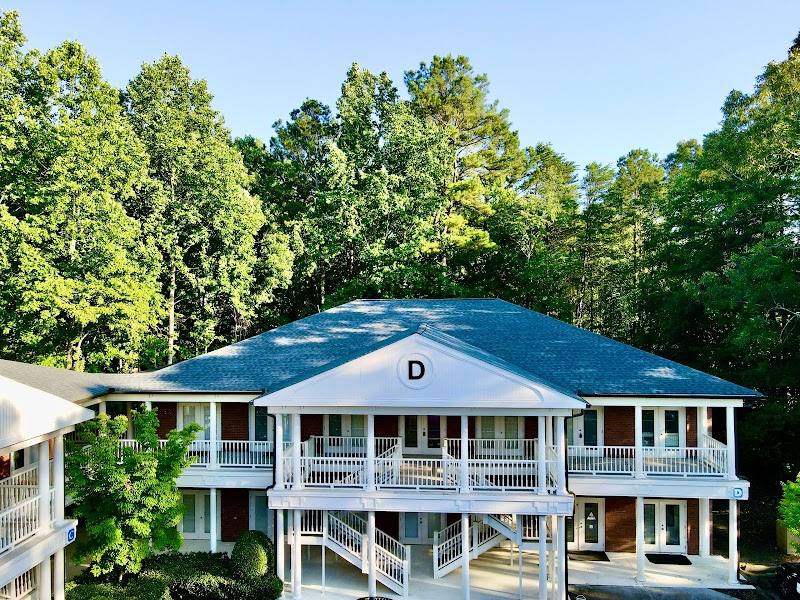
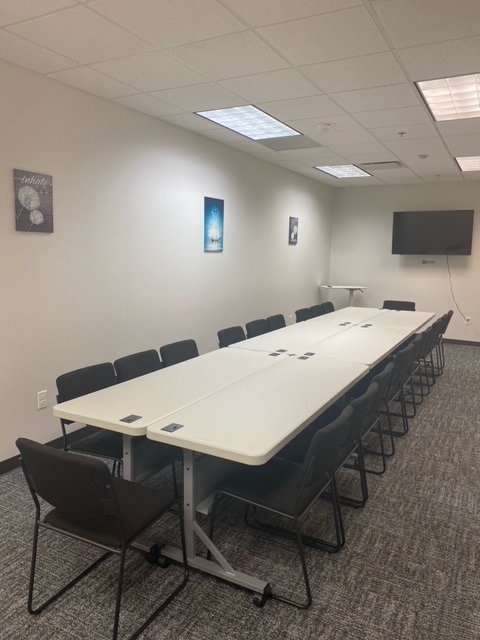


Browse by Location
Sober Living Homes by City
Simple Process
How to Find the Right Home
Search Your City
Enter your city or browse our 25 city directories. Every listing includes verified Google ratings and contact info.
Review & Compare
See photos, ratings, addresses, and real user reviews. Filter by tier to find the best-rated options near you.
Contact Directly
Call or visit the home directly — no middlemen, no referral fees, no forms. All contact info is free to access.
About Sober Living Central
Sober Living Central is the most comprehensive directory of sober living homes, halfway houses, and recovery residences in the United States. We list 2,120+ verified homes across 25 major cities — with real Google ratings, photos, phone numbers, and direct website links.
Whether you are searching for transitional housing after completing a rehabilitation program, or a family member supporting a loved one in early recovery, our directory connects you directly with verified resources — completely free.
Our listings cover men-only homes, women-only homes, co-ed facilities, and specialized recovery residences across Los Angeles, New York, Phoenix, Denver, Chicago, and 20 additional major US cities.
Frequently Asked Questions
What is a sober living home?
A sober living home is a structured, substance-free shared residence for people in recovery from alcohol or drug addiction. Unlike inpatient treatment, sober living does not provide clinical services — it provides a stable, accountable living environment while residents work or attend outpatient programs.
How much does sober living cost?
Sober living costs vary widely by city and quality. Most homes charge between $500 and $2,500 per month, with top-rated homes in high-cost cities like Los Angeles or New York often ranging from $1,200 to $2,500. Costs typically include rent, utilities, and house meetings.
How is a sober living home different from a halfway house?
Sober living homes and halfway houses are often used interchangeably, but halfway houses typically serve people coming directly out of incarceration and may have court-mandated residency requirements. Sober living homes are generally voluntary, privately operated, and focused on people in addiction recovery.
Can insurance pay for sober living?
Standard health insurance rarely covers sober living directly, since it is housing rather than clinical treatment. However, some insurance plans cover associated services like outpatient therapy or intensive outpatient programs (IOP). Some sober living homes accept scholarships or sliding-scale fees for residents with financial need.
How long should you stay in sober living?
Most recovery specialists recommend staying in sober living for at least 90 days, and research supports better long-term outcomes with stays of 6 to 12 months. The right length depends on individual circumstances including employment, family support, and the severity of prior substance use.
For Home Operators
Own a Sober Living Home?
Get your listing seen by thousands searching for recovery housing every month.
List Your Home — Free